
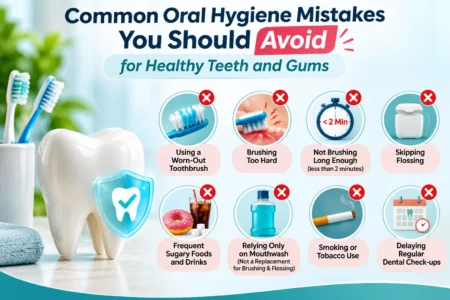
Good dental hygiene is the key to healthy teeth and gums. But even those who brush and floss daily may make small errors that add up over time and harm their oral health. Brushing incorrectly, not flossing, eating too many sweets, and not seeing the dentist regularly can all increase the risk of cavities, gum disease, and bad breath. A Dentist Caboolture can help you identify potential concerns and strengthen your dental care routine with expert advice.
Brushing Your Teeth Too Quickly
If you brush for less than two minutes, plaque and food particles might remain on your teeth. Brushing too fast can also leave hard-to-reach spots missed, especially at the back of your mouth and along the gumline.
Brushing Too Hard
Cleaning your teeth hard does not make them cleaner. Instead, it may erode tooth enamel, irritate your gums and cause gum recession. Use a soft-bristled toothbrush and gentle motions. Don’t scrub too hard. It’s the technique, not the pressure.
Skipping Daily Flossing
A toothbrush just can’t reach between the teeth, where food particles and plaque are likely to hide. If you don’t floss, you’re more prone to cavities and inflamed gums. Floss every day as part of your dental hygiene routine. If you find it difficult to use normal floss, use interdental brushes to clean between your teeth.
Using the Wrong Toothpaste
Not all toothpastes are created equal. Toothpaste without fluoride may not protect as well against tooth decay. Fluoride helps to build enamel and makes it more resistant to acid assaults. Choose a fluoride toothpaste that fits your dental requirements. If you have sensitive teeth or other issues, ask your dental expert for advice.
Forgetting to Clean Your Tongue
Bacteria may grow on your tongue and cause bad breath. Brushing your teeth is vital, but if you skip your tongue, you may leave germs lingering in your mouth. Use a brush or scraper to wipe your tongue each day gently. This small practice may improve dental hygiene and keep your breath fresher.
Consuming Too Many Sugary Foods and Drinks
Eating a lot of sugary snacks, soft drinks, sweets, and desserts may increase the risk of dental damage. Bacteria in the mouth eat sugar and make acids which slowly eat away the tooth enamel. Reduce your intake of sugary meals and beverages. If possible, avoid snacking too often and pick healthier options such as fresh fruits and vegetables.
Not Drinking Enough Water
Water helps wash away food particles and promotes saliva production. Saliva helps protect your teeth by neutralising acids and maintaining a healthy environment in your mouth. Not drinking enough water may cause dry mouth and raise your risk of dental issues. Keep hydrated and choose water over sugary drinks throughout the day.
Ignoring Bleeding or Swollen Gums
If you notice bleeding, redness, soreness and swelling around your gums, don’t dismiss it. These symptoms may suggest gingivitis or any other gum issue. Poor oral hygiene can worsen and progress into more serious gum disease. Maintain good gum health and clean your mouth regularly. See your dentist if these symptoms continue.
Skipping Regular Dental Checkups
Some dental disorders might develop without obvious signs even with good home care. If you skip dental checkups, cavities, gum disease and other problems may go undiscovered. Preventive dental care includes regular examinations and expert cleaning. Visiting a reputable Dental clinic in Caboolture can help you catch problems early and protect your dental health.
Using Your Teeth to Open Packages or Bite Hard Objects
Biting pens, cracking hard things with your teeth, ripping packaging, or opening bottles may harm your enamel. These practices can cause chipped, fractured, or broken teeth. Always use the right instruments and do not apply extra pressure to your teeth.
Brushing Immediately After Acidic Foods and Drinks
Acidic foods and drinks, such as citrus fruits, soft drinks, and fruit juices, may temporarily weaken tooth enamel. You could wear away your enamel more if you brush just after. Swish water around your mouth, then wait 30-60 minutes before you brush, to help your enamel recover.
Ignoring Teeth Grinding and Jaw Clenching
Grinding your teeth (especially at night) or clenching your jaw may slowly wear away enamel and make your jaw sore. Some people may also experience headaches or dental sensitivity. If you have these symptoms, see a dental expert. Your dentist can help you find the right treatment options, including a bespoke night guard.
Simple Daily Oral Hygiene Routine to Follow
A regular daily routine can make it easier to keep your teeth and gums healthy. Here are some basic behaviours to try:
| Time | Recommended habit |
| Morning | Brush for two minutes using fluoride toothpaste. |
| After meals | Drink water and avoid frequent sugary snacks. |
| During the day
|
Stay hydrated andeat a balanced diets.
|
| Evening | Clean between your teeth using floss or interdental brushes.
|
| Before bed
|
Brush for two minutes using fluoride toothpaste. |
Change your toothbrush every three to four months, or sooner if the bristles are frayed.
Frequently Asked Questions
-
What are the most common oral hygiene mistakes?
Common errors include brushing too hard or too fast, not flossing, using the wrong toothpaste, not brushing your tongue, eating too many sweets, and not getting regular dental examinations. Fixing these behaviours may help improve your overall oral health.
-
Can brushing too hard damage my teeth?
Yeah. Over-brushing may wear down enamel over time and irritate gum tissue, which can lead to gum recession. Use a soft-bristled toothbrush and apply gentle pressure.
-
Can poor oral hygiene cause bad breath?
Sure. When a person does not practice good oral hygiene, germs and food particles may build up in the mouth, especially around the tongue and between the teeth. This may lead to chronic foul breath. The condition may be managed with regular brushing, flossing and tongue cleansing.
Conclusion
If you want strong teeth, healthy gums, and fresh breath, avoid common oral hygiene mistakes. Small modifications such as brushing properly, flossing every day, drinking enough water, limiting meals with sugar and seeing the dentist on a regular basis may make a big impact. Regular home care and professional advice can support long-term dental health. If you have any worries about your teeth or gums, get proper dental consultation and preventative treatment from a reputable Dentist Caboolture at Morayfield Dental Studio.


